My Role: Sole Product Designer
Scope: Full-time job · 6 months Lead in 2 major domains
Tools: Figma · Miro
Practices: User Research · End-to-end Design · Cross-functional collaboration
Overview
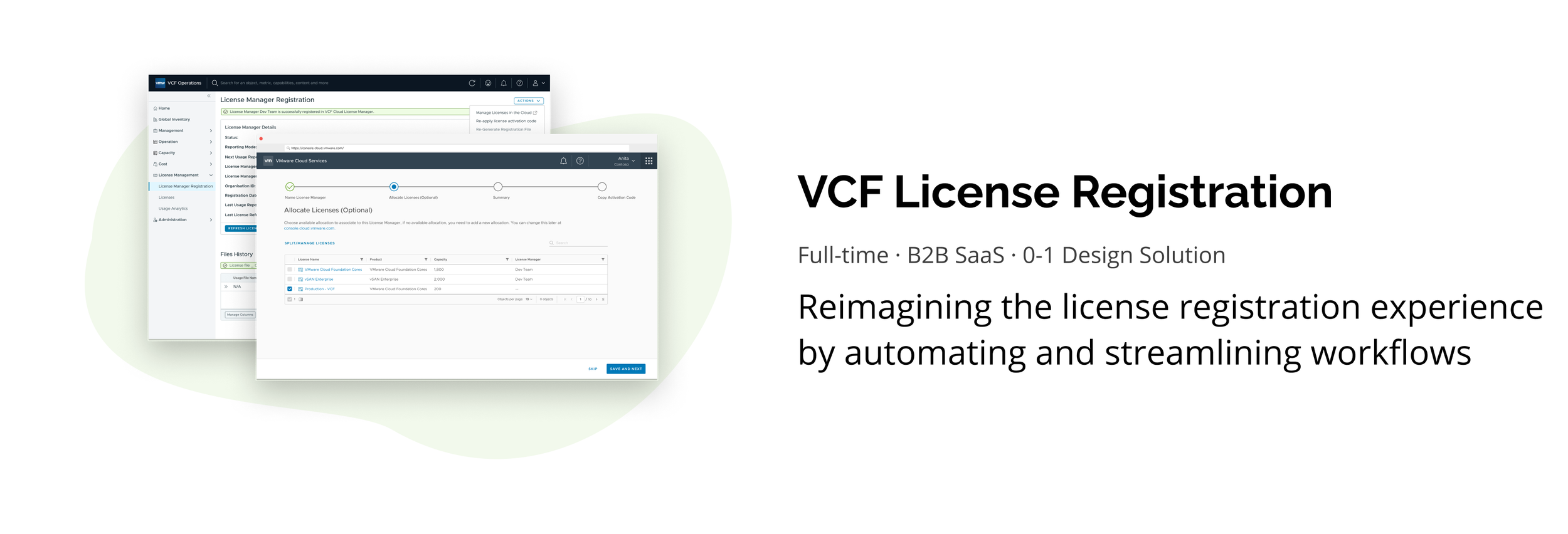
In light of VMware’s acquisition by Broadcom, the new VMware Cloud Foundation(VCF) was defined as the primary product suites combining all products acquired. We redesigned the license management ecosystem to tackle the legacy license misuse issue, aiming to recapture revenue loss. Our solution streamlined product registration, licenses management and usage insights experience design. I’m the leading hands-on designer of registration and usage management experience, which will be the focus of this case study.
Context
Designer’s Role in Saas Transformation
VMware’s core product – VMware Cloud Foundation(VCF)’s top product strategy in recent years is to transition its perpetual license system to a Saas business model. As a product designer of the Cloud Design team at VMware, I’m part of the design forces aimed to deliver a unified, subscription-based cloud management platform to provide our customers seamless transition in managing their past and new purchases, deploy workload and monitor their systems.
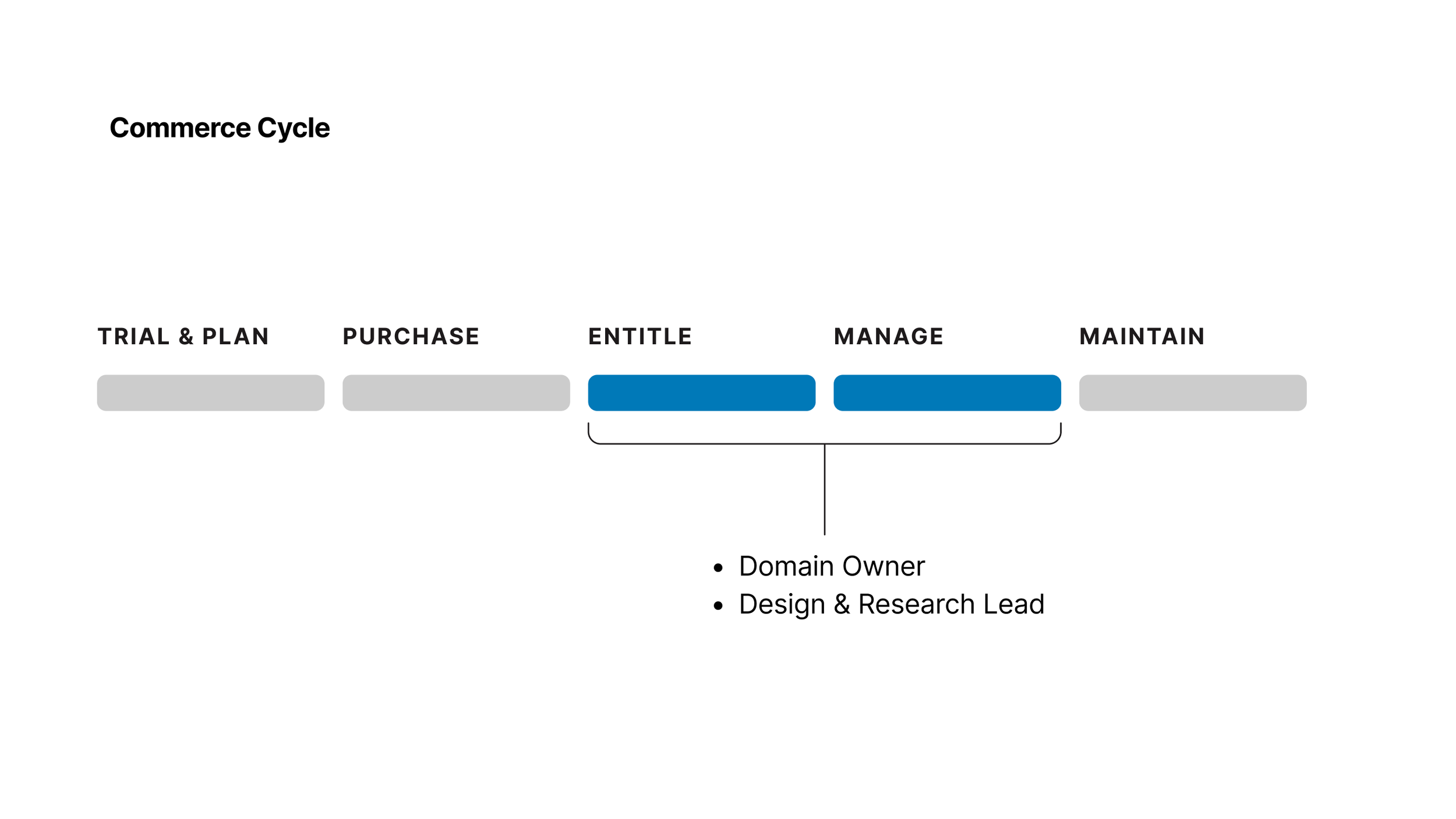
In this project specifically, I’m working as a lead designer in the commerce workstream, tasked to design the new product registration experience[Entitlement] and the License usage management experience[Management].
Design Process
The entire project spanned approximately 6 months, from initial stakeholder discussions to multiple iterative design cycles and the final design handoff. The design phase itself took about 4 months, during which I adapted to evolving requirements and focused on refining the user experience to ensure the best possible outcome.
Problem Space
VMware Cloud Foundation (VCF), the most selling software product at VMware experiences a 30% revenue loss due to license misuse, equating to roughly $200 million per year. It is significantly higher compared to the industry average of 10-15% loss due to license misuse.
What is license misuse?
License misuse is a common issue in software industry. It is defined as licenses being used unlawfully or exceeds the quantity defined by the license contract.
Problem Dissect -What EXACTALY went wrong?
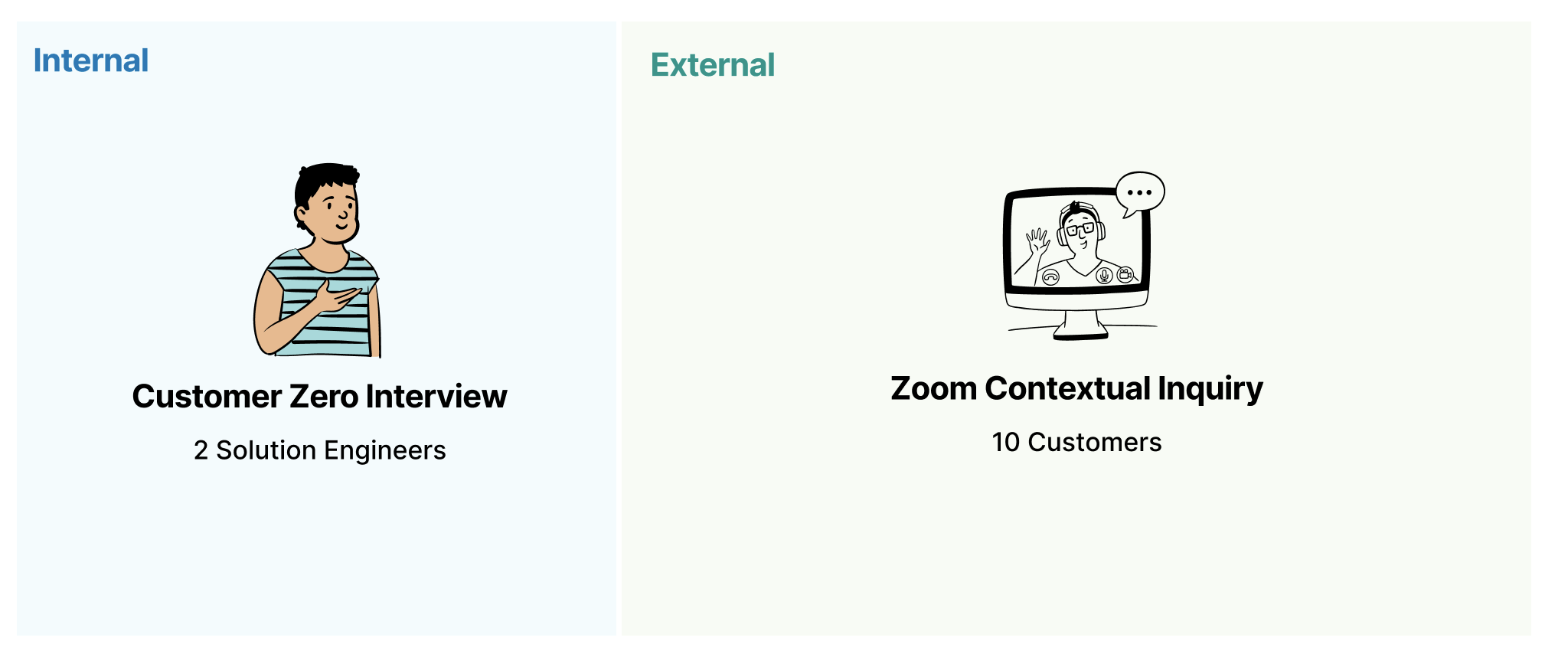
During the problem-definition phase, I leveraged both internal and external resources. Internal Solution Engineers provided valuable insights into past customer complaints and system limitations, while direct customer interviews allowed me to gather firsthand feedback. This combination helped me craft a comprehensive user story and gain a deeper understanding of the different user segments we were designing for.
Research Insights
User Personas
I categorized users into two groups: small businesses and large enterprise customers, each with distinct business structures and needs. While large enterprises account for 80% of our revenue and were the primary focus, the design goal was to create features that met enterprise needs while also streamlining processes for small businesses, ensuring a seamless experience for both user groups.
The Big Customers experienced bigger problem resulting from their complex needs VMware is not able to support.
Major Breakpoints in License Distribution Process
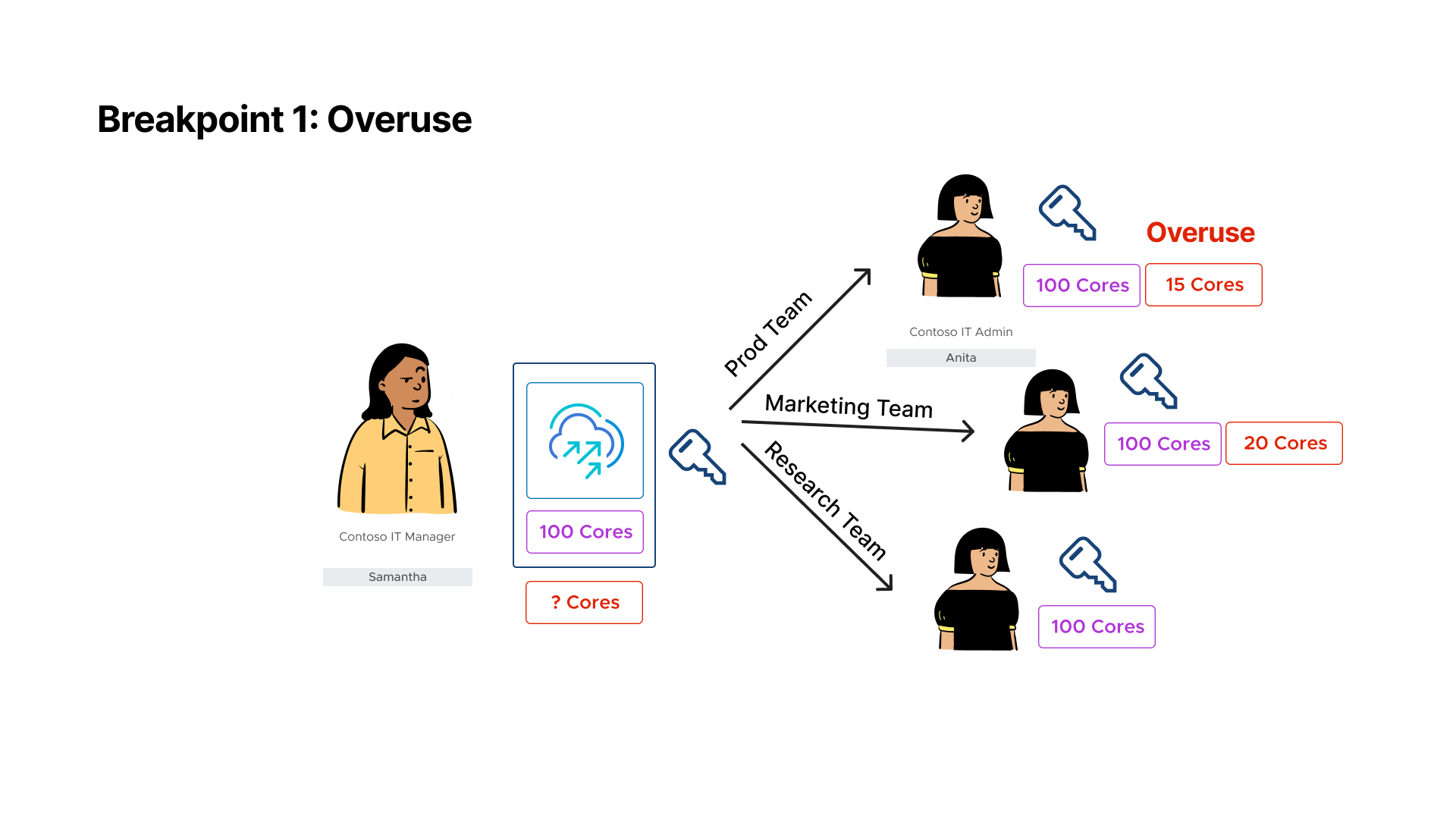
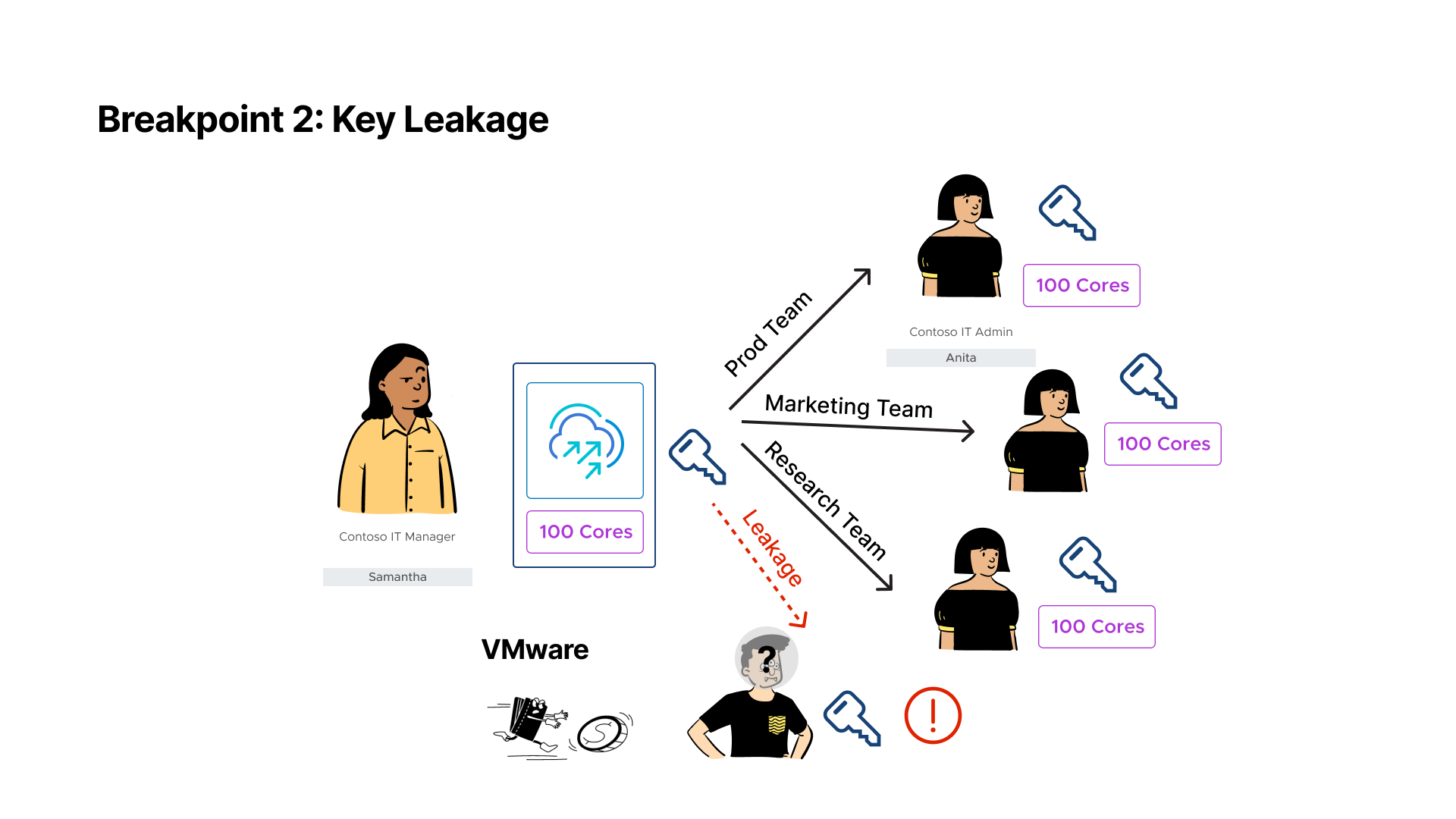
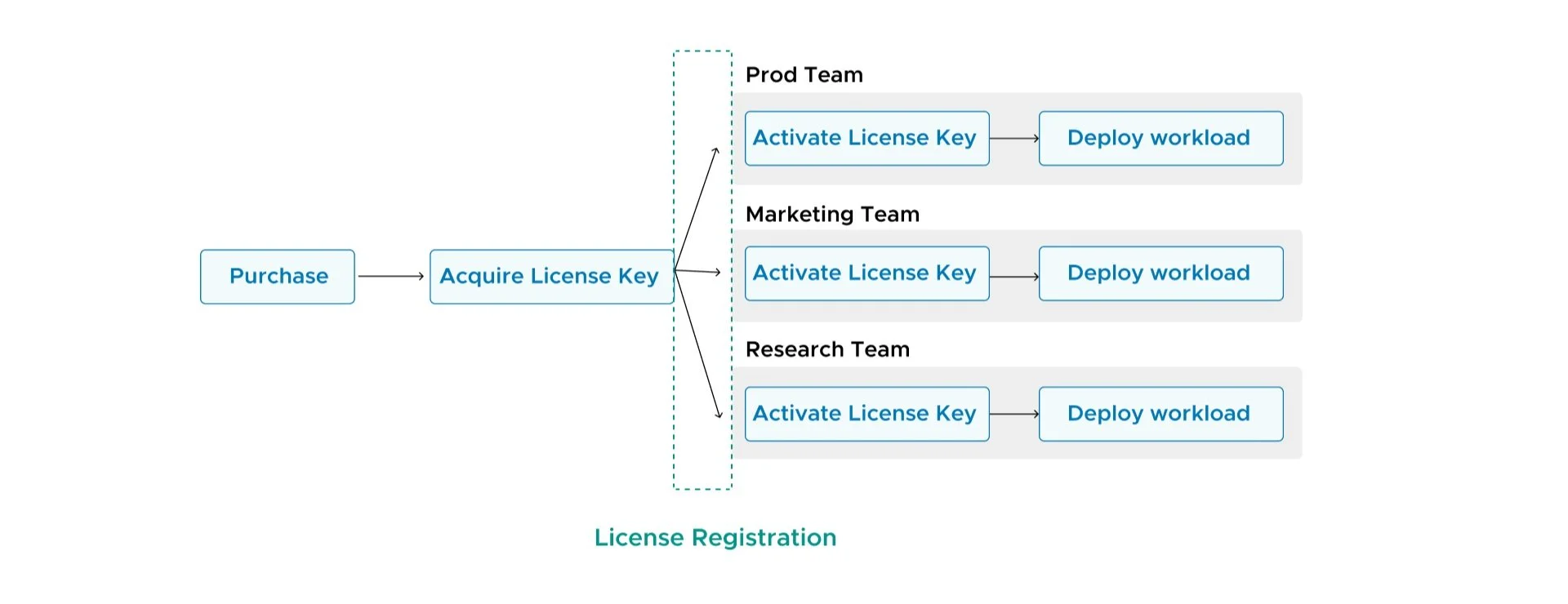
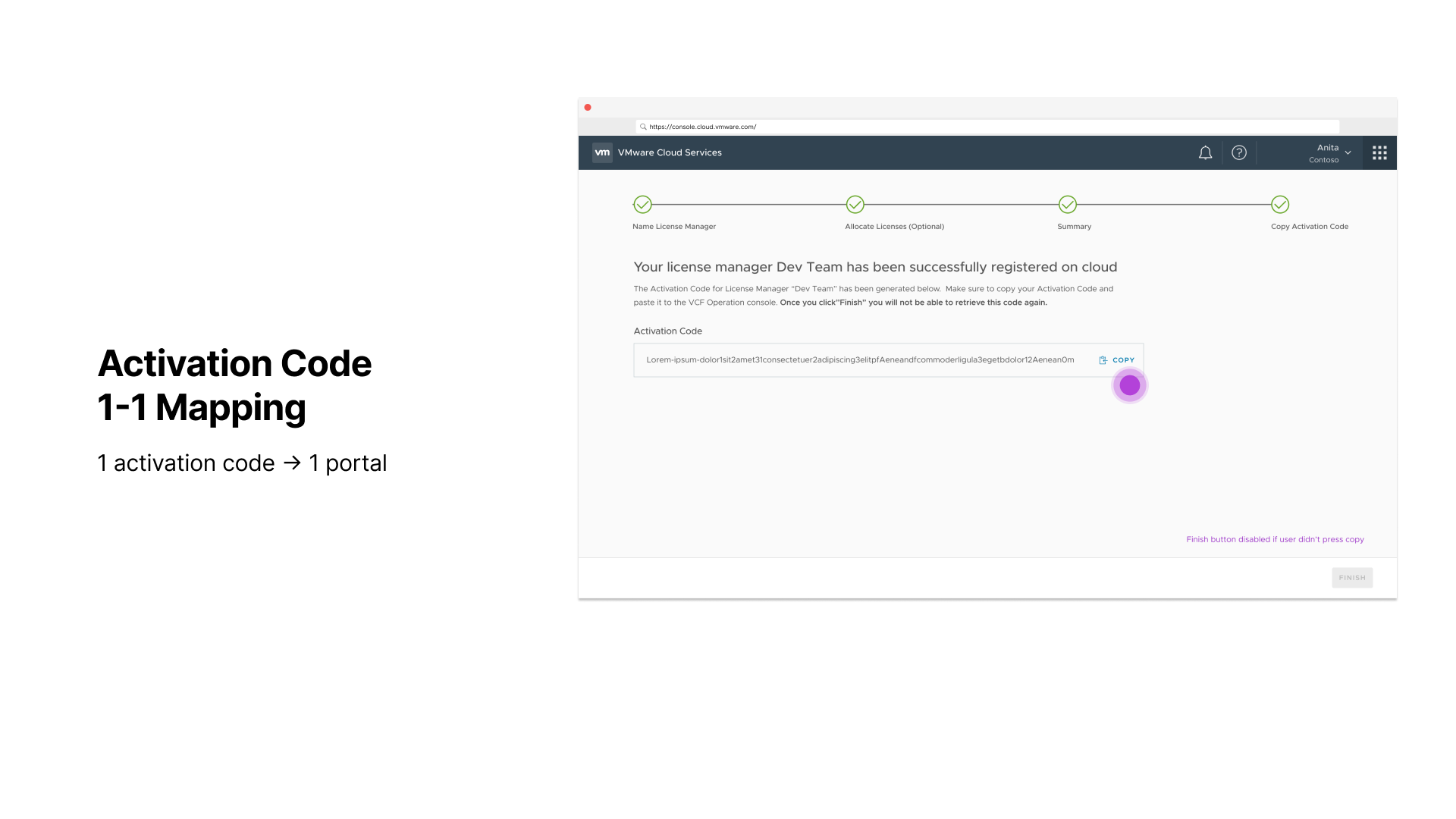
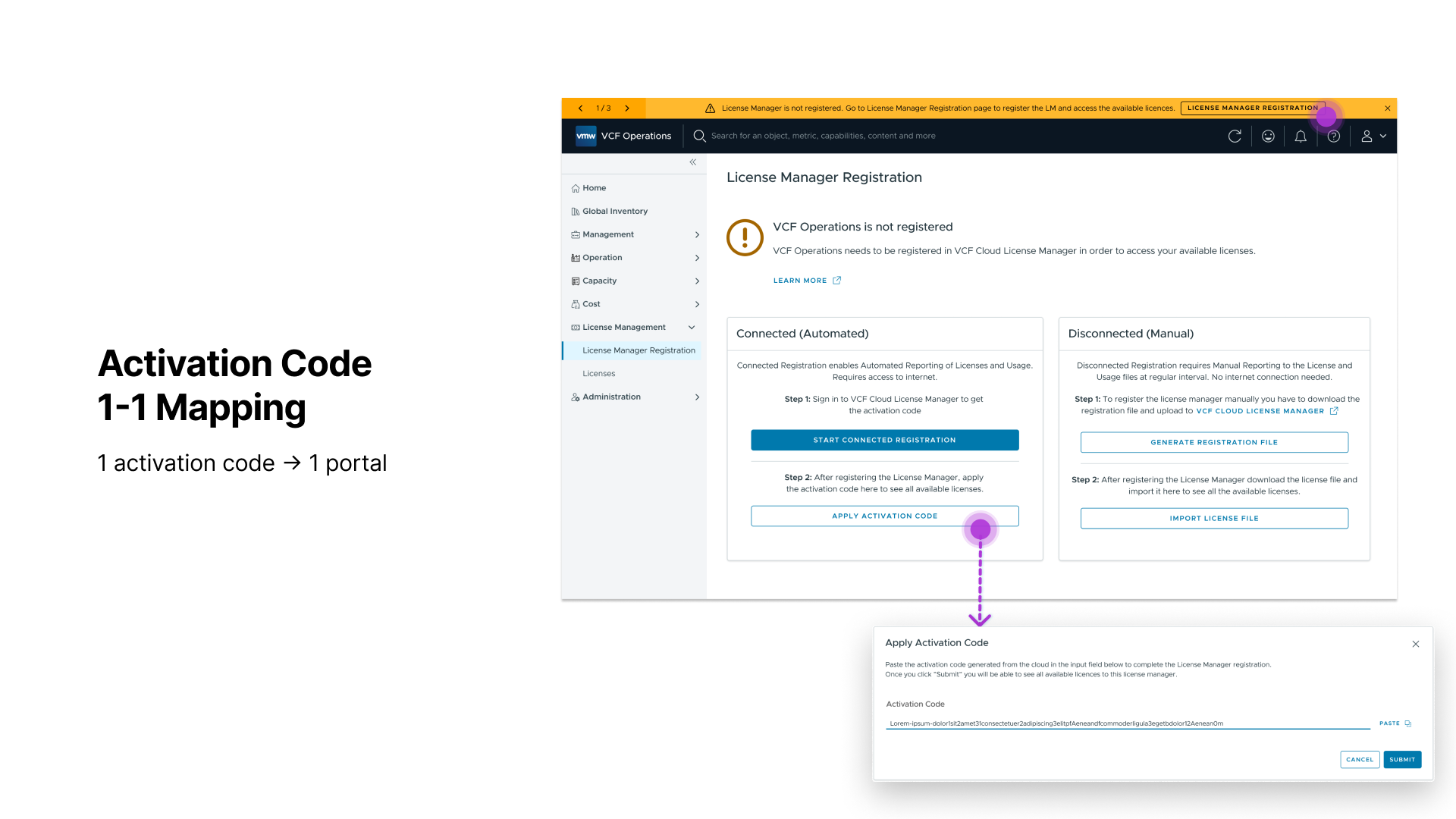
The core issue stems from flaws in the license distribution process, rooted in the design of our system. Our current approach relies on manually copying and pasting license keys for activation, which not only fails to address the distribution needs of our customers’ organizations but also leads to significant problems. Specifically, this design has resulted in two major causes of license misuse: unmonitored overuse and key leakage.
Unmonitored overuse occurs when customers exceed their licensed capacity due to our system’s lack of proper tracking mechanisms, leading to unintentional or unchecked violations.
Key leakage happens when license keys are improperly shared or exposed, either intentionally or inadvertently, allowing unauthorized users to exploit them.
Understanding these root causes was critical in shaping a solution that addressed both proactive monitoring and safeguarding license distribution to prevent future misuse.
Product Opportunity – Addressing the Problem at Its Core
Together with the product team, we identified the registration phase as the most effective place to address the issue. As the foundation of product consumption, it is a step that every user must go through, making it the ideal place to solve the problem at its root. Our customers need to allocate licenses across different departments, but the lack of an effective mechanism for managing this process allows license keys to be copied multiple times, while overuse remains difficult to track. By addressing the issue during registration, we can implement a more secure, efficient solution to manage licenses and prevent misuse.
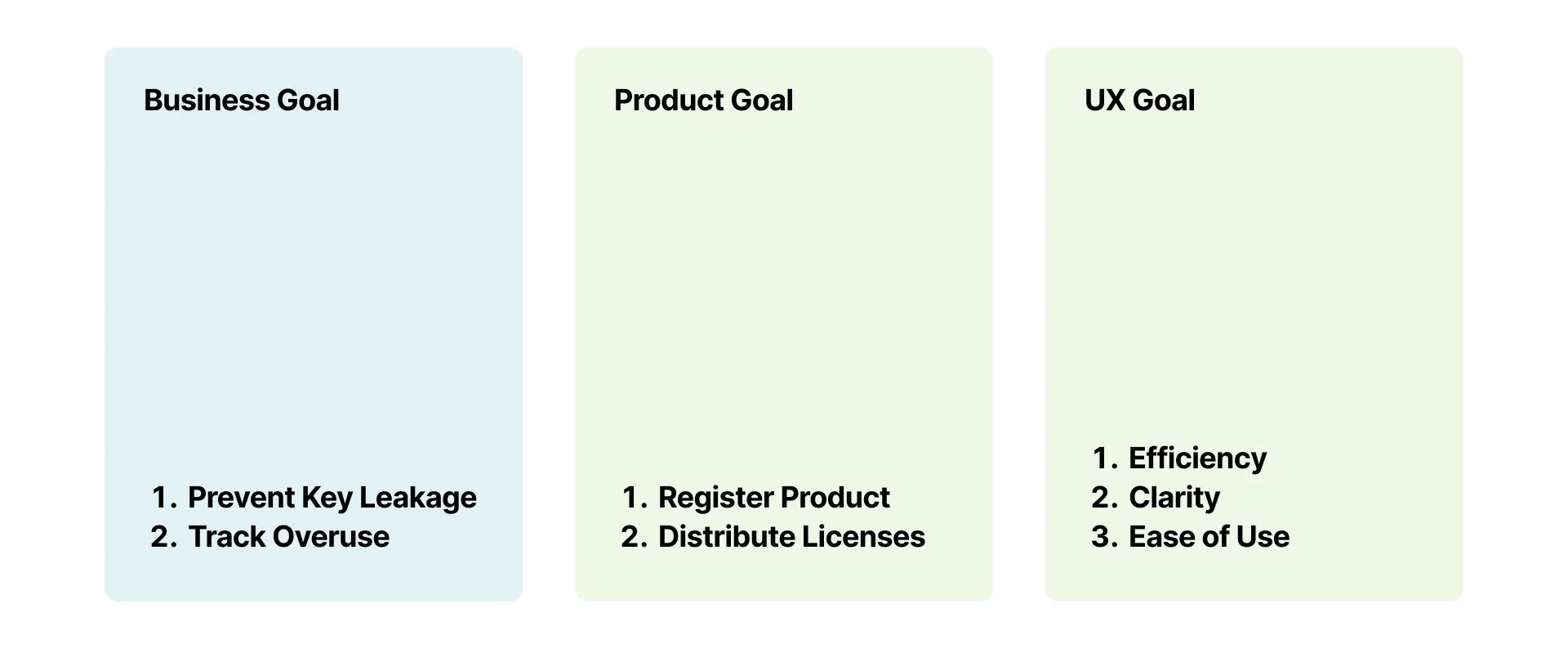
Finding Balance Between Business and User Goals
Research insights and a deep understanding of our users’ current experiences allowed me to establish clear and meaningful design goals. The core challenge of this project was achieving a delicate balance between business objectives, product requirements, and providing users with a seamless experience that supports them in achieving their goals. This alignment ensured that the final solution met stakeholder needs while prioritizing usability and user satisfaction.
Navigating Design Execution Phase
With a solid understanding of our goals and user needs, I moved into the design execution phase. A key challenge was effectively communicating ideas to a large group of stakeholders and achieving alignment on the direction to iterate and refine the designs.
Managing Stakeholders
I believe that managing stakeholders is much like designing for users—it's crucial to focus on their needs and goals, tailoring discussions to align with them. To engage core stakeholders, I organized workshops and set up dedicated offline channels for ongoing communication. For other stakeholders, whose primary goal is staying informed, I involved them less frequently but ensured they were kept in the loop through progress summary emails and design recordings. This approach helped maintain clarity, foster collaboration, and ensure alignment throughout the process.
Facilitate communication with design artifacts
The journey map has been one of the most valuable artifacts for facilitating communication. By providing a clear, tangible flow, it enabled me to collaborate effectively with core project members, including product managers and engineering managers, to iterate on complex, multi-step processes. This visual tool helped align the team, streamline discussions, and ensure we were all on the same page when refining intricate workflows.
Design Solutions
Part 1: How might VMware effectively track license overuse without jeopardizing Anita’s license registration & management experience?
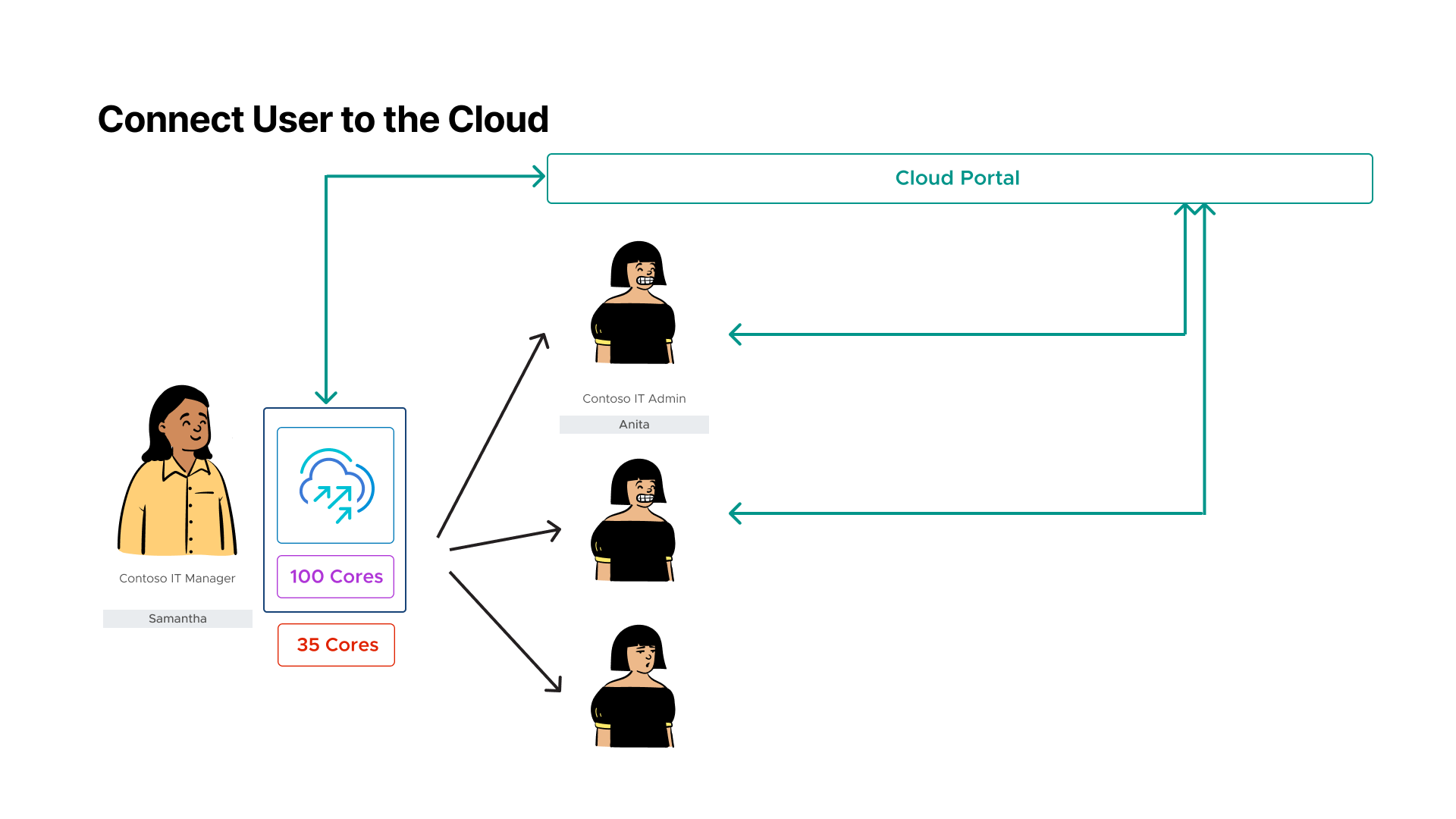
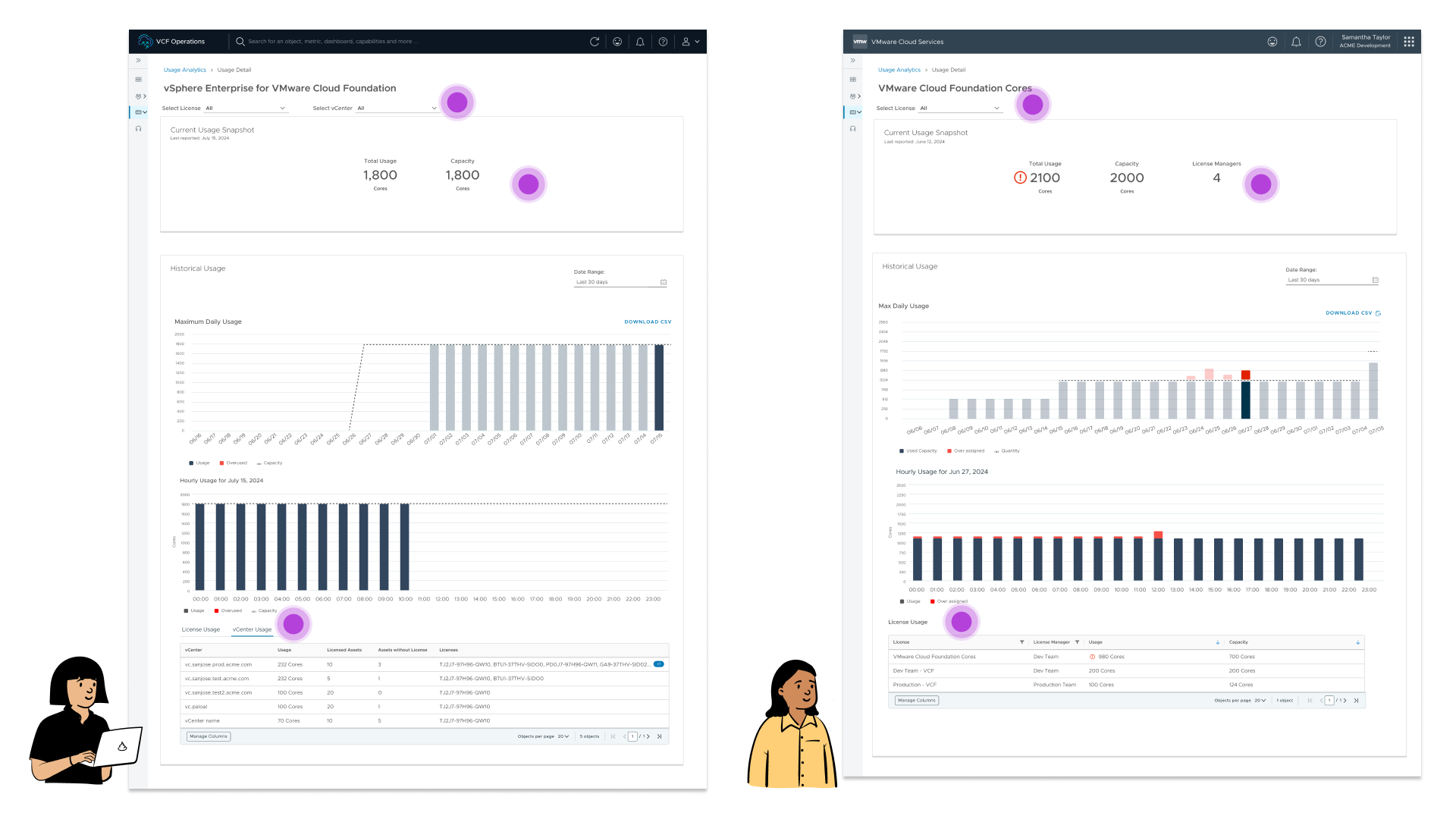
Overuse was primarily caused by a disconnected system where license usage data was not tracked comprehensively or shared with customers. The product team identified the "golden path" as creating a cloud portal that connects users to the cloud, enabling the tracking and display of both individual and organizational usage data. This solution would provide greater visibility and control, helping customers manage their licenses more effectively and prevent overuse.
💡 Design Decisions
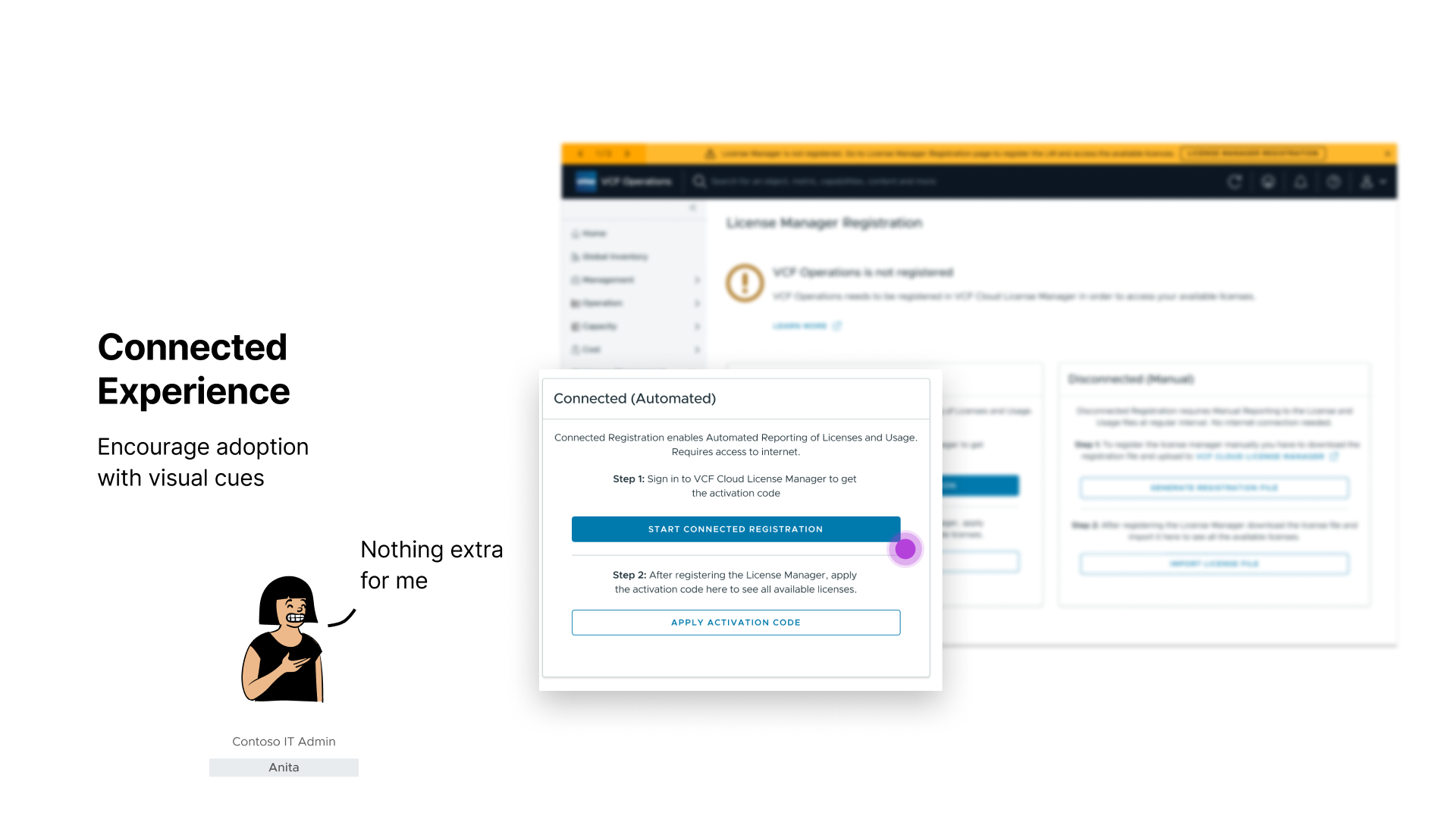
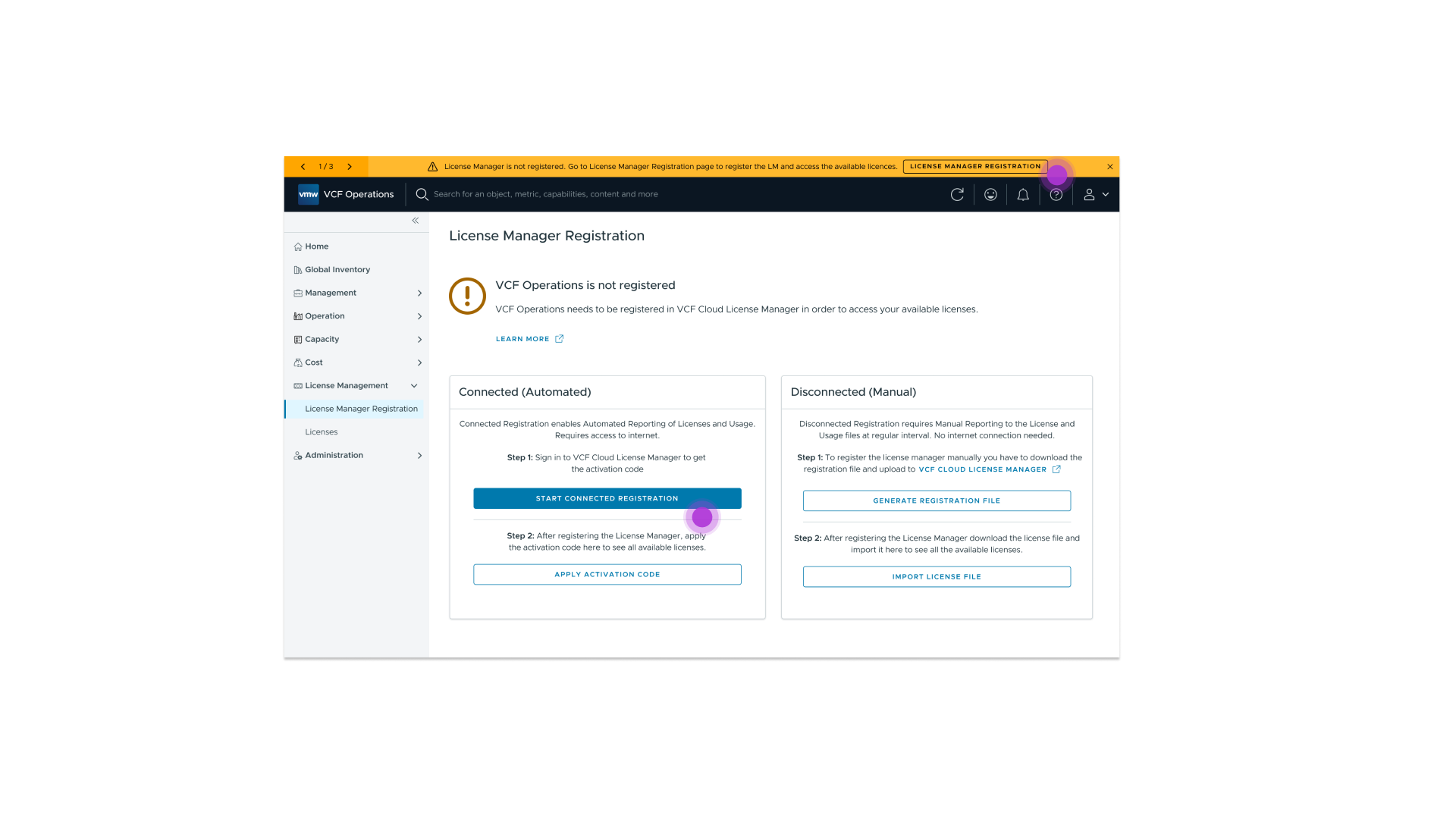
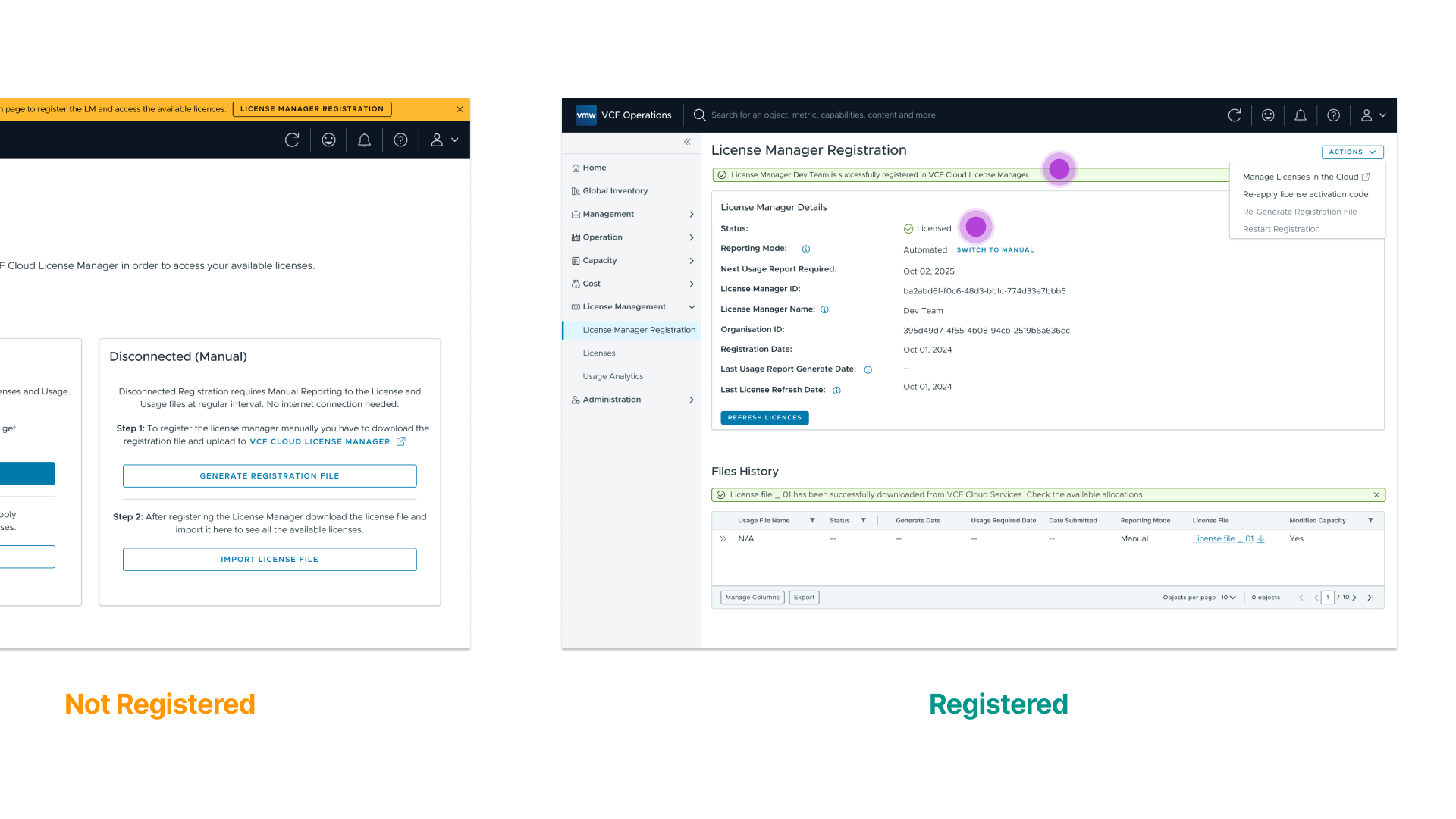
I used visual cues to emphasize the recommended connected registration route
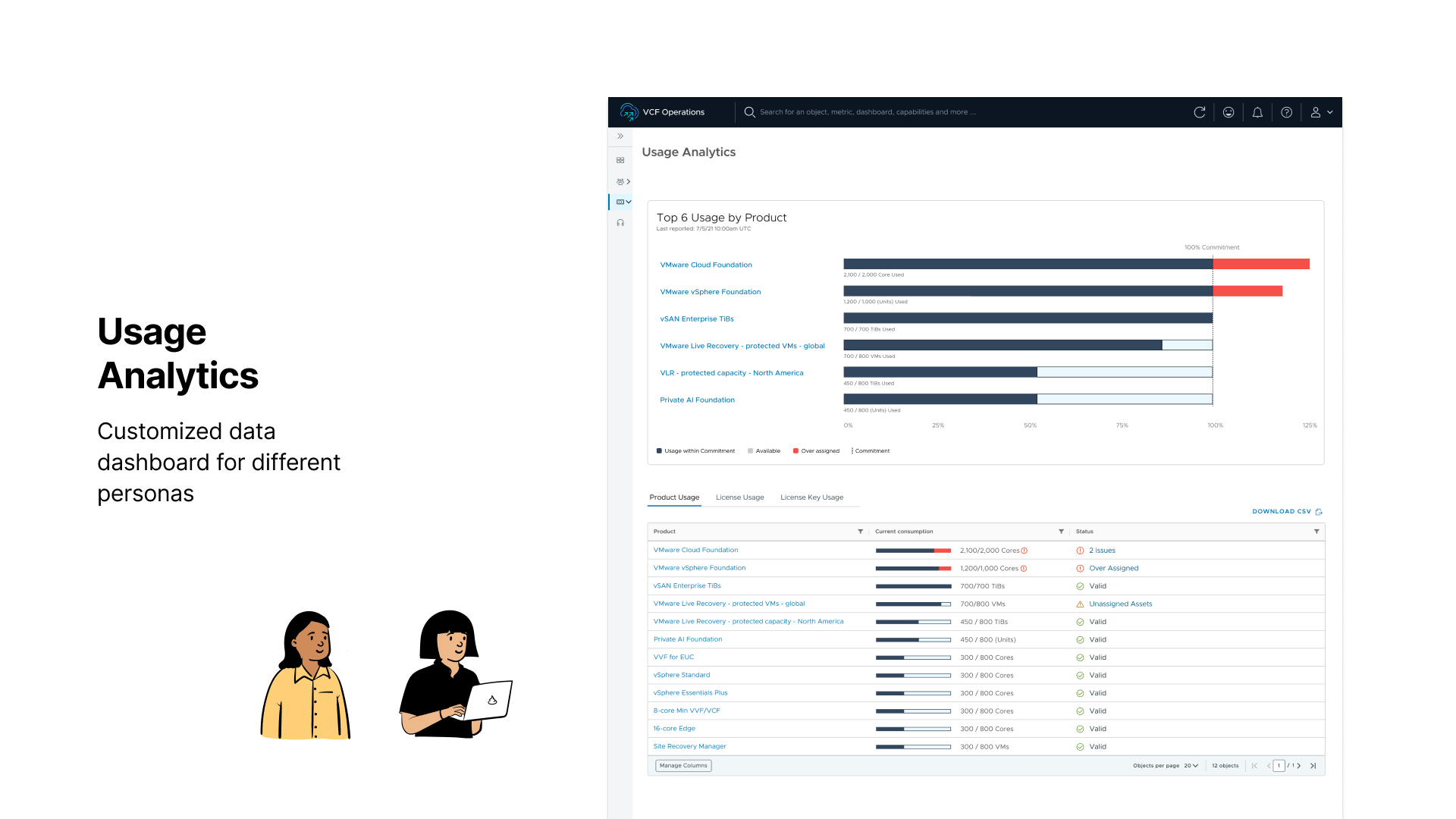
I created a usage analytics dashboard to enhance data transparency. The dashboards used filter to control personalized contents for Admins and their managers. It also provides scalable flexibility for our future personas such as business partners.
With the new design, both customers and VMware gained real-time visibility into usage status, eliminating unintentional overuse and enabling proper tracking and communication of non-compliance behaviors. This approach not only improved user awareness but also ensured better compliance and proactive management of licenses.
Part 2: How might we help Samantha distribute licenses to different departments but prevent illegal license key copying at the same time?
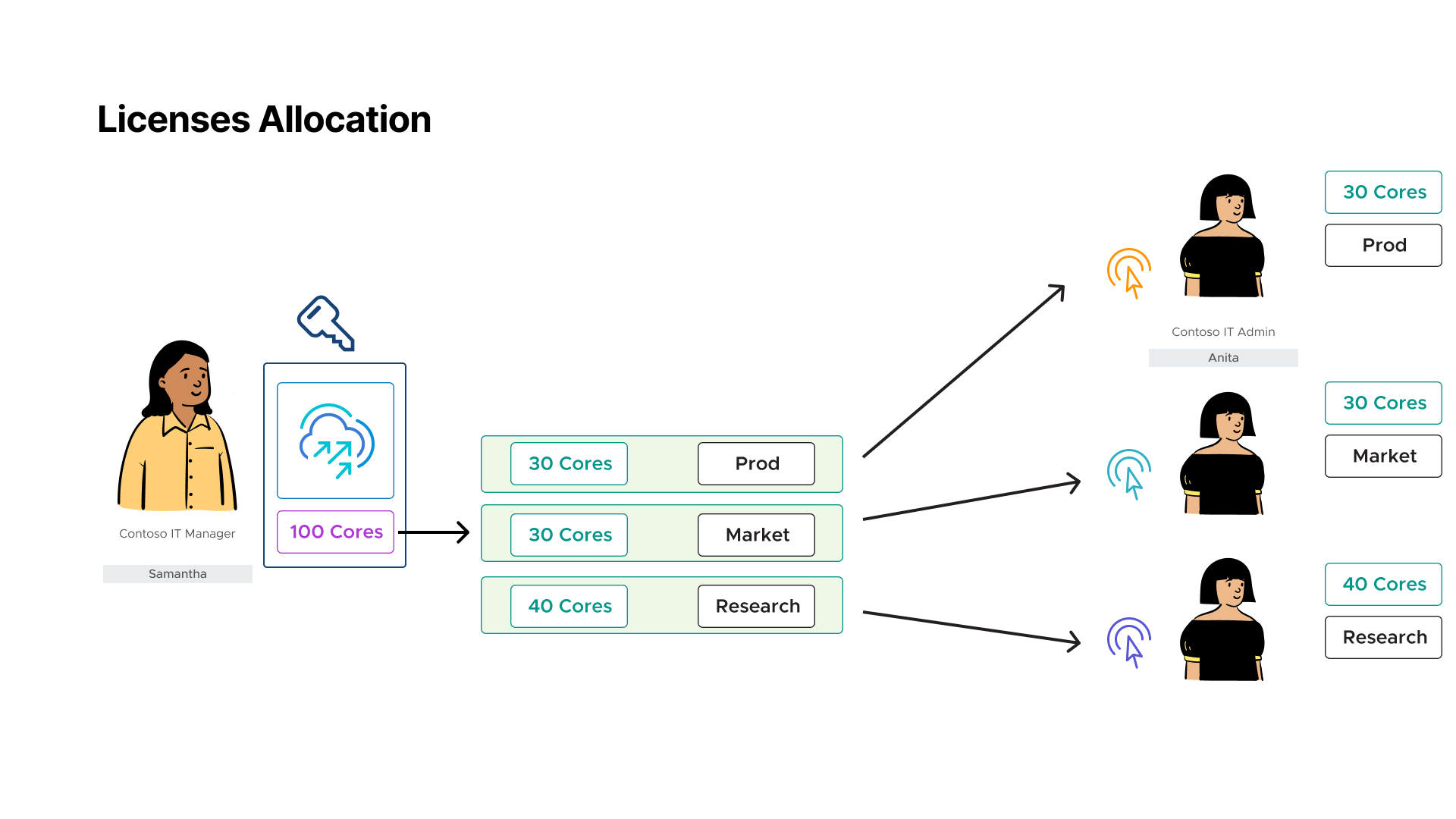
Allocating licenses to various departments is a unique requirement for our large customers and a key factor contributing to license leakage. The legacy, unmonitored license key sharing mechanism was a major driver of this issue. As a result, designing a secure and user-friendly license allocation system became essential to address both the business needs and user requirements, ensuring better control, compliance, and a seamless experience for all stakeholders.
🤔 Design Challenges
Reducing the mental load of complex processes: Allocating licenses is a tedious effort for large organizations. It involves an n-to-n process where users must distribute multiple products across various departments and adjust allocations as needed.
Scalability: As more products are released, the complexity increases over time. Therefore, it is crucial to design a solution that can scale to accommodate future product expansions.
💡 Design Decisions
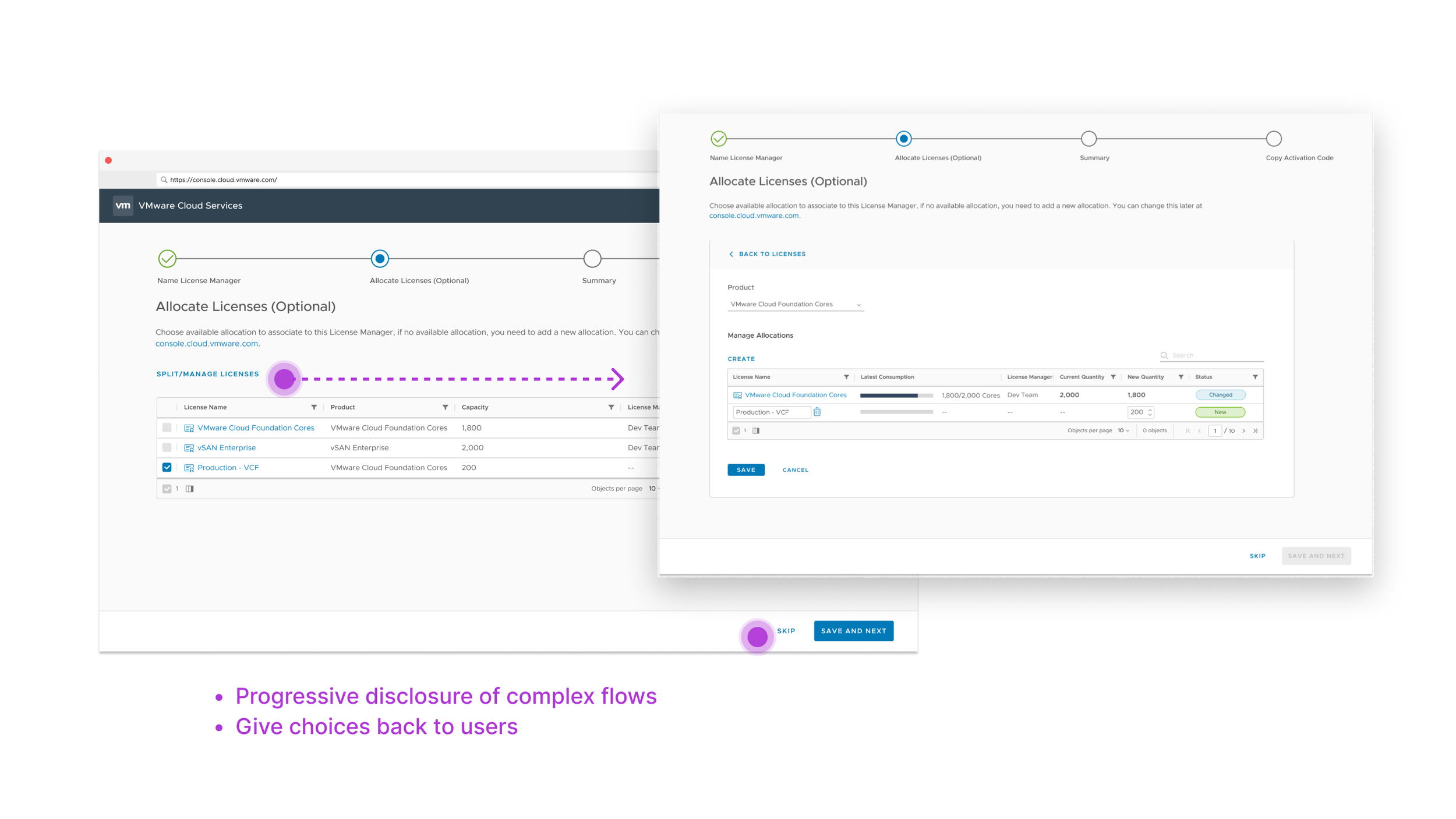
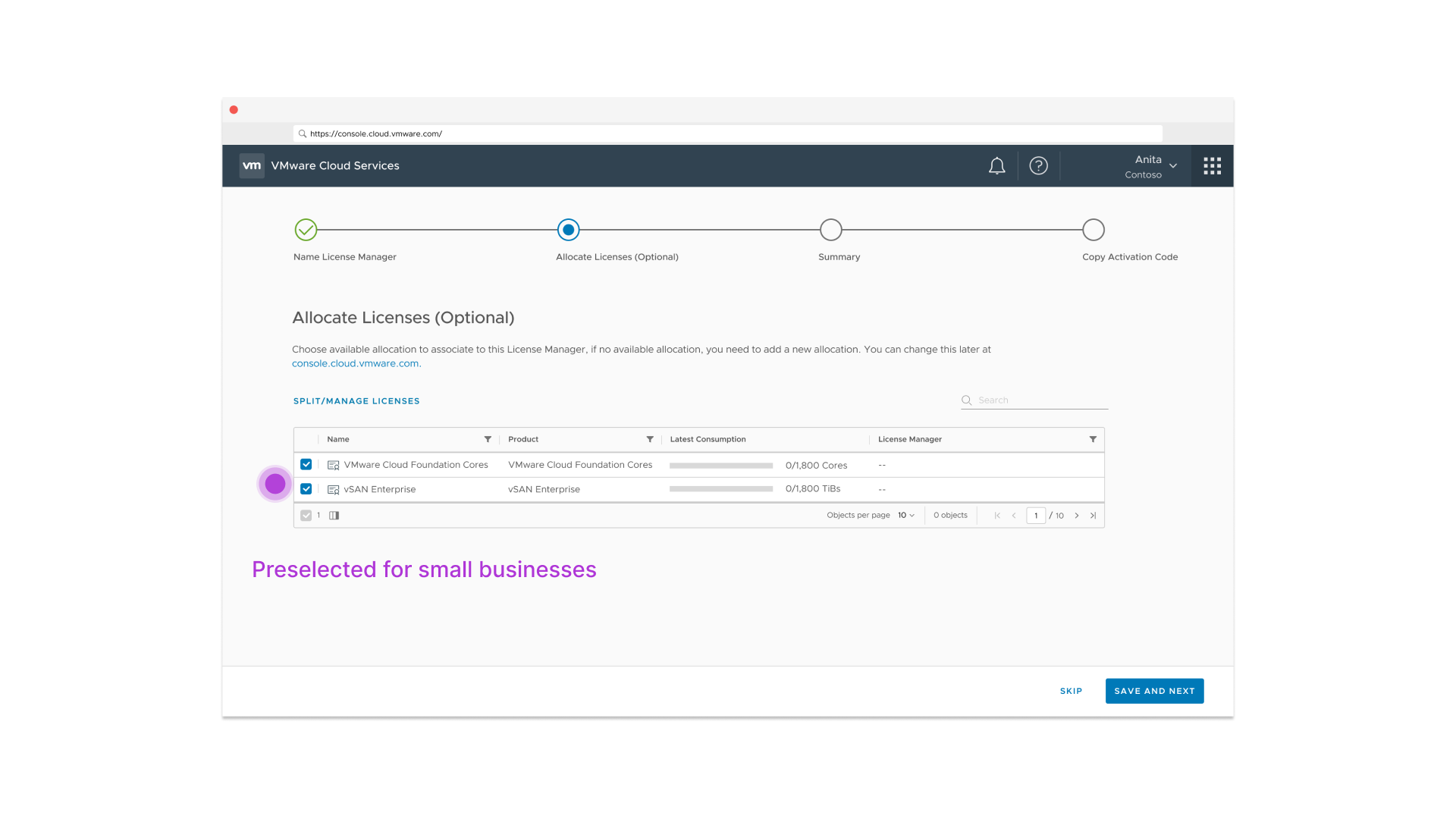
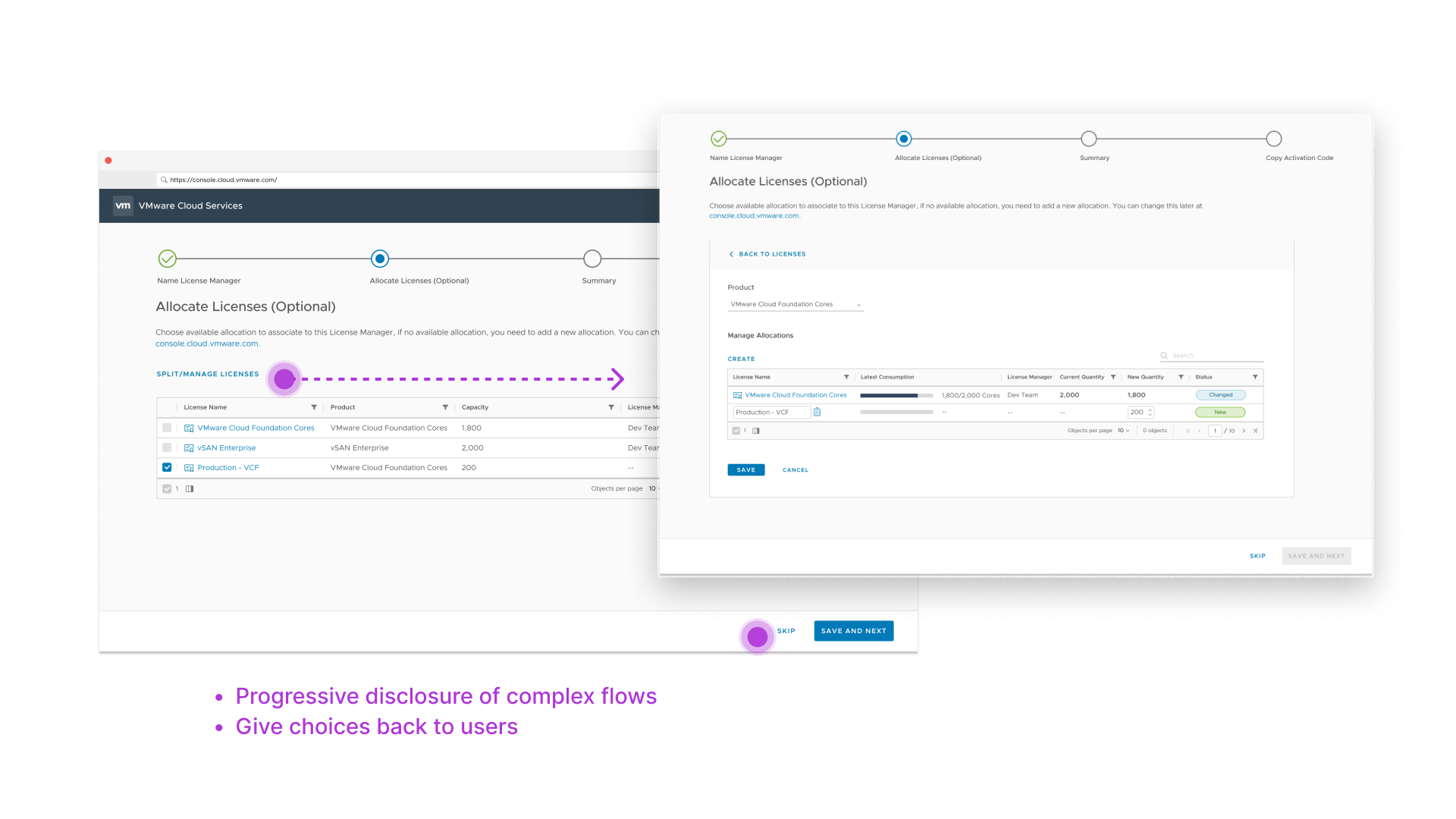
Progressive Disclosure: Present default options first and gradually reveal complexity step by step to prevent overwhelming users upfront.
Modular Experience: Separate the license allocation process from the registration flow and design it as an independent module. This allows the process to be triggered only when users need to complete the task. By doing so, the model can be adjusted as needed without impacting the primary registration flow.
Challenge 1: Designing With Design Systems
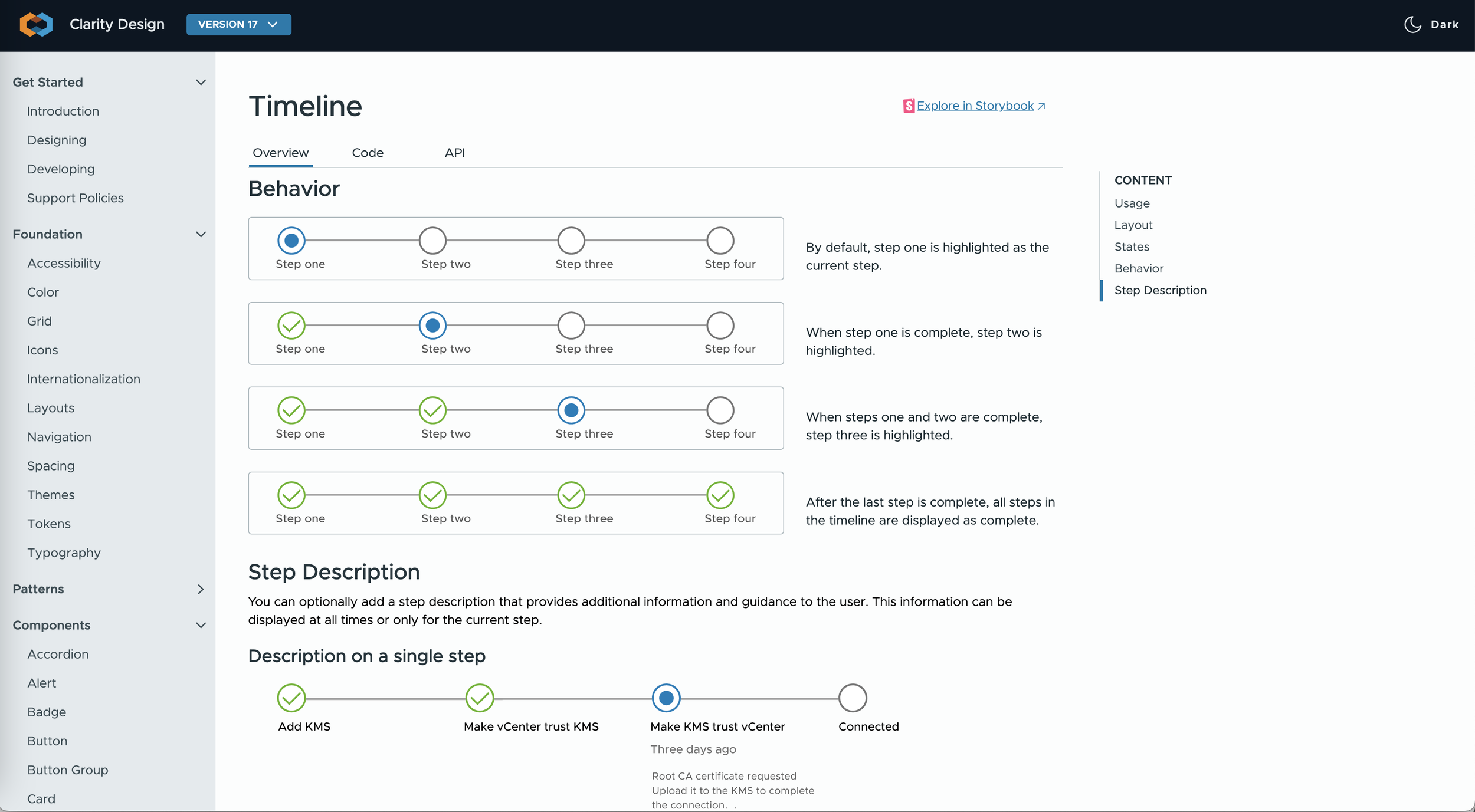
Design systems come with both advantages and limitations. For this project, our goal was to deliver the new feature to customers as quickly as possible. To support this, the design team worked within stricter design system constraints, leveraging existing components to ensure rapid delivery. To further expedite the process, I iterated directly with high-fidelity components, refining patterns on the go to streamline hands-on design work and reduce the need for lower-fidelity iterations. This approach allowed us to prioritize speed while maintaining consistency and quality in alignment with the design system.
Challenge 2: Technical Constraints
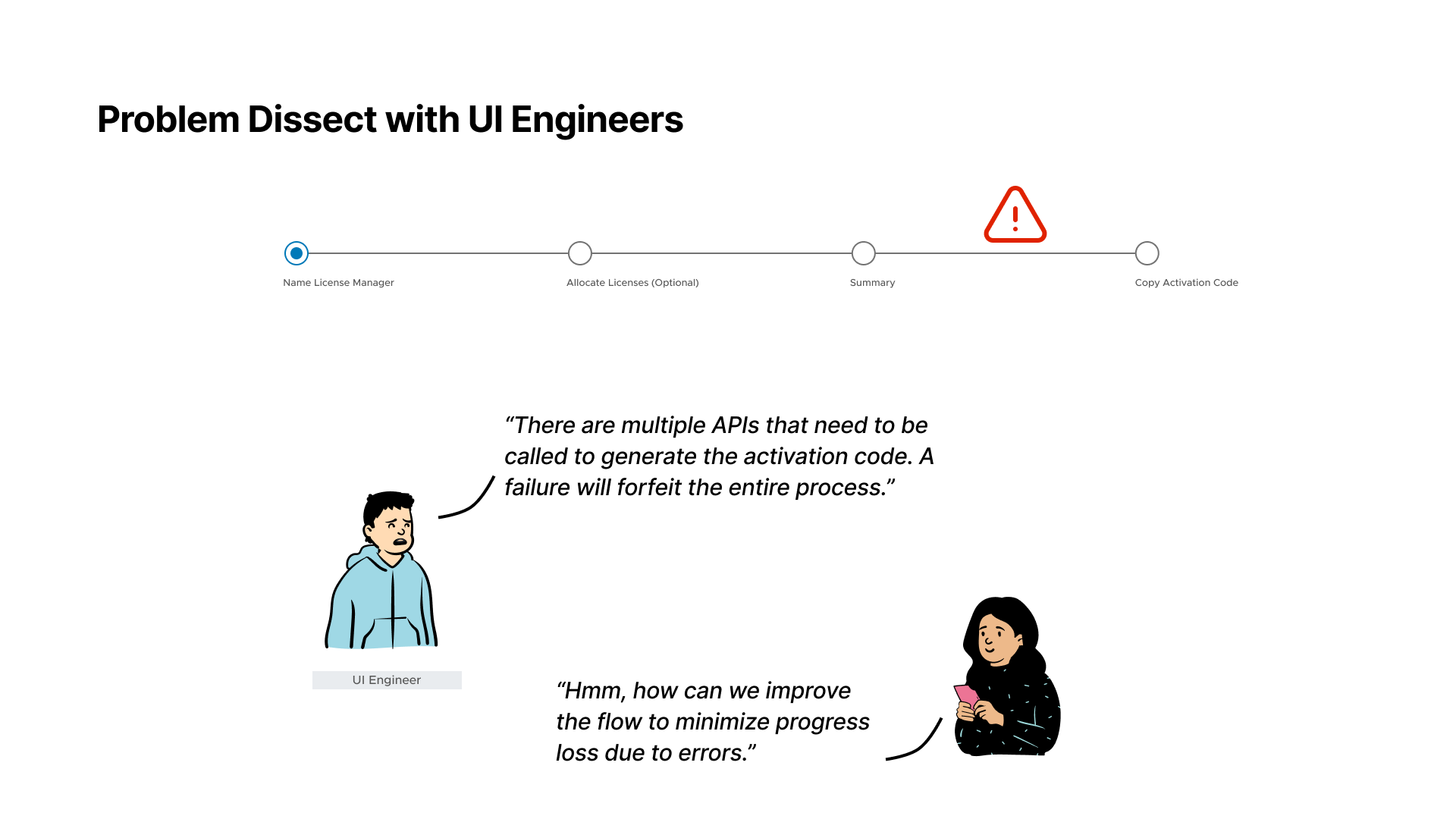
Registration flow calls too much APIs at once, customers risk losing progress if they exit before completing the entire flow.
During the handoff phase, the UI/Front-end Engineers informed me that the original design would make error case generation overly complex and nearly impossible to clearly communicate the correct status to customers, as multiple APIs needed to be called in the final step of the registration process.
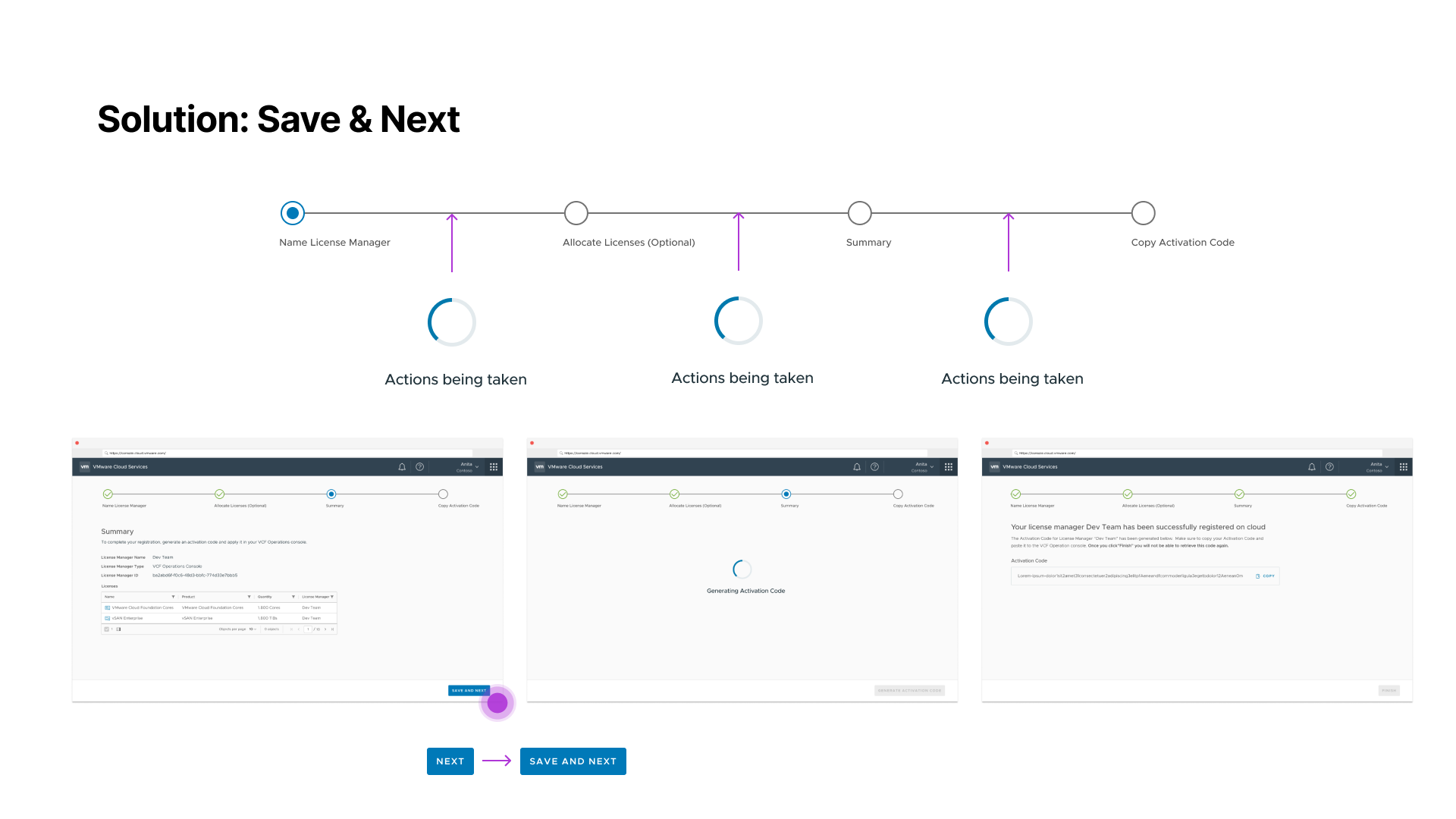
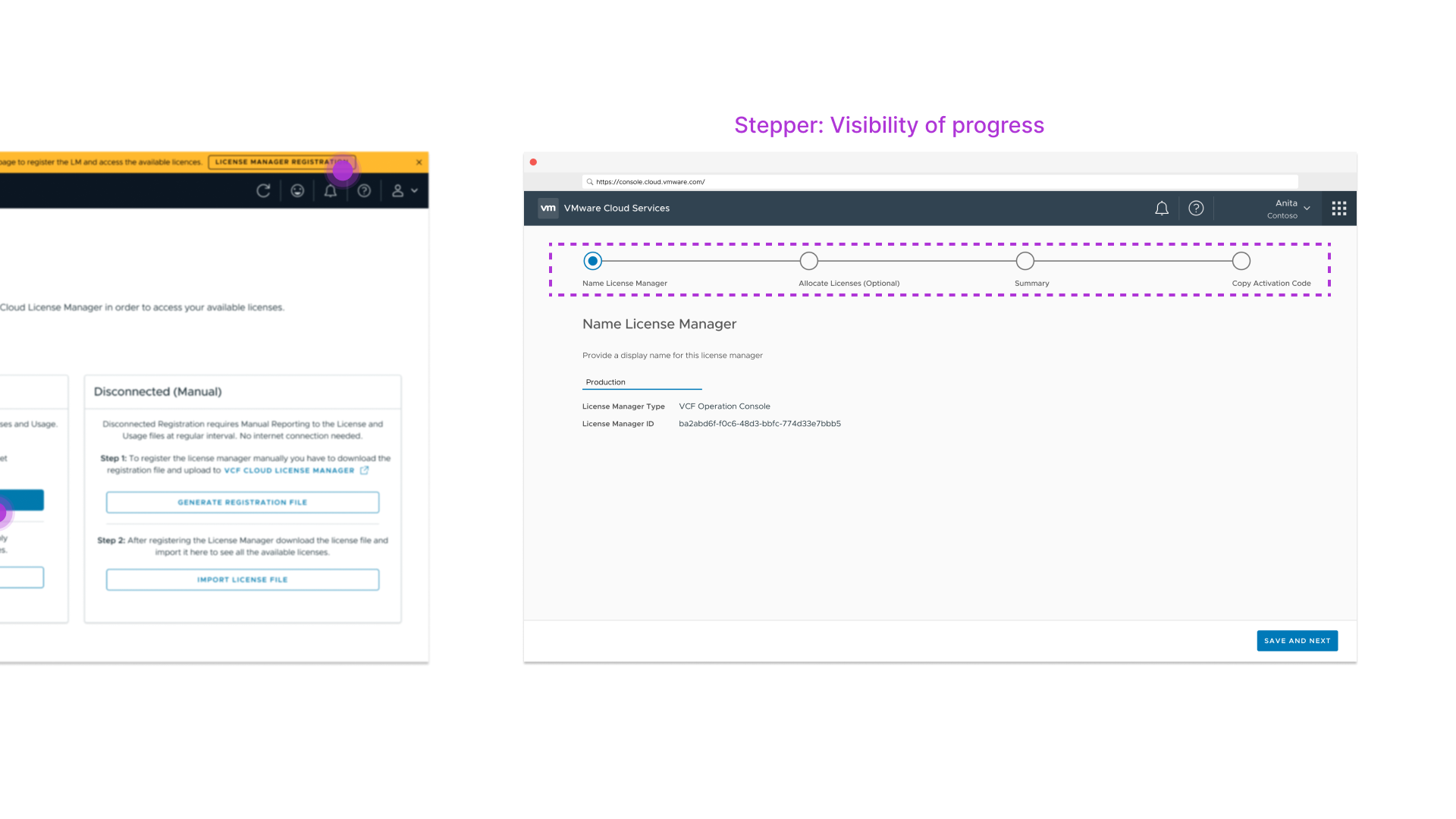
To address this, I collaborated closely with the UI Engineers to quickly understand the underlying issues and explore possible solutions. After brainstorming, I identified the most feasible option with minimal effort: changing the "Next" button in the stepper to "Save and Next." Additionally, I introduced a spinner screen between steps to indicate that the system was processing, improving transparency and helping users understand the current system status.
Final Design Highlight
Impact
User Testing Results
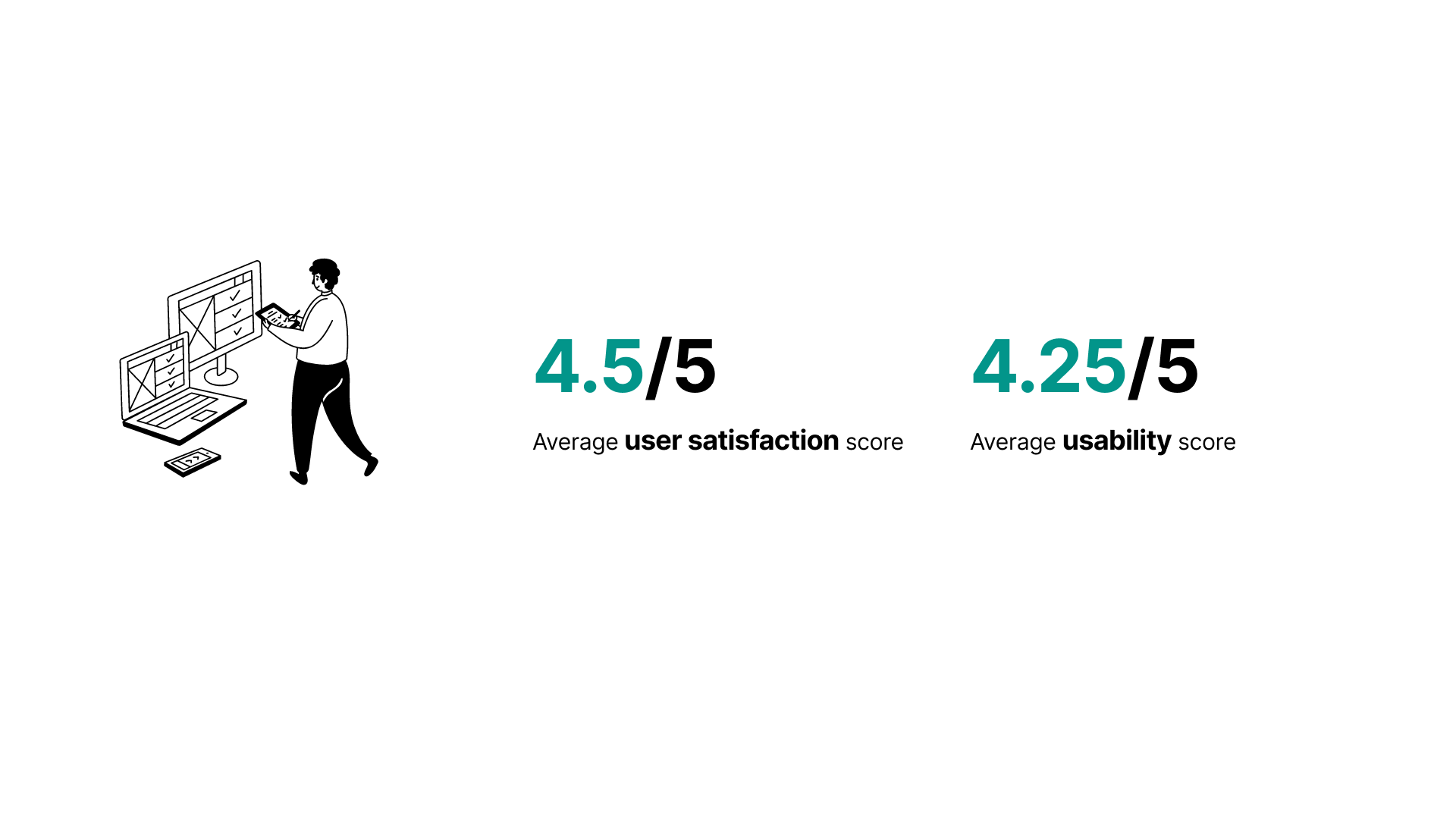
We conducted user testing by reconnecting with previously interviewed customers, asking them to complete usability tasks remotely and provide qualitative feedback. The following metrics were based on these key questions:
User Satisfaction Score: "How well did the design meet your needs?" (Rated on a scale of 1–5)
Usability Score: "Did you find anything confusing, and how would you rate the clarity of the design?" (Rated on a scale of 1–5)
Revenue Impact
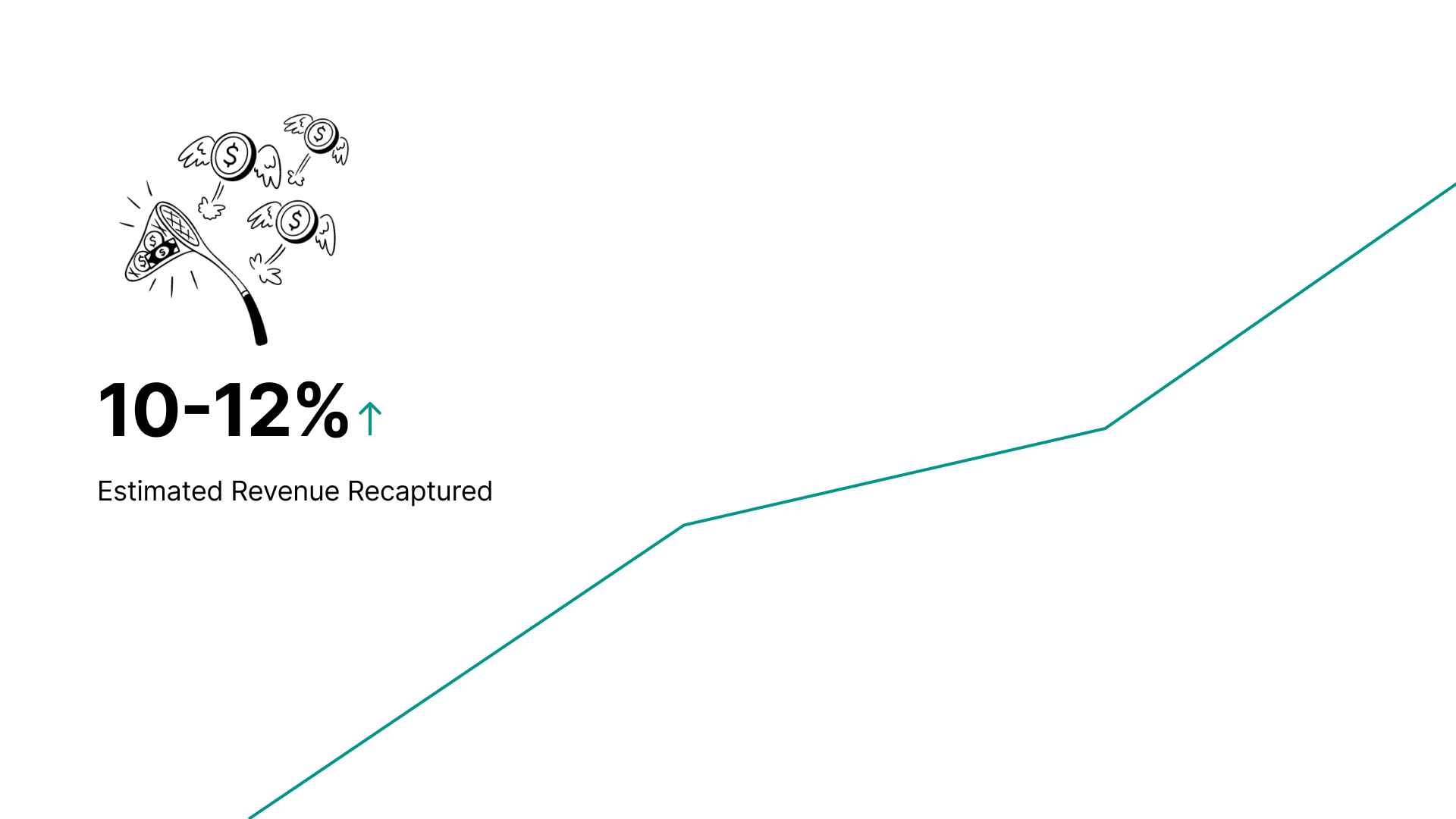
Since the product has a delayed launch, the estimated revenue recaptured is 10-12%.